


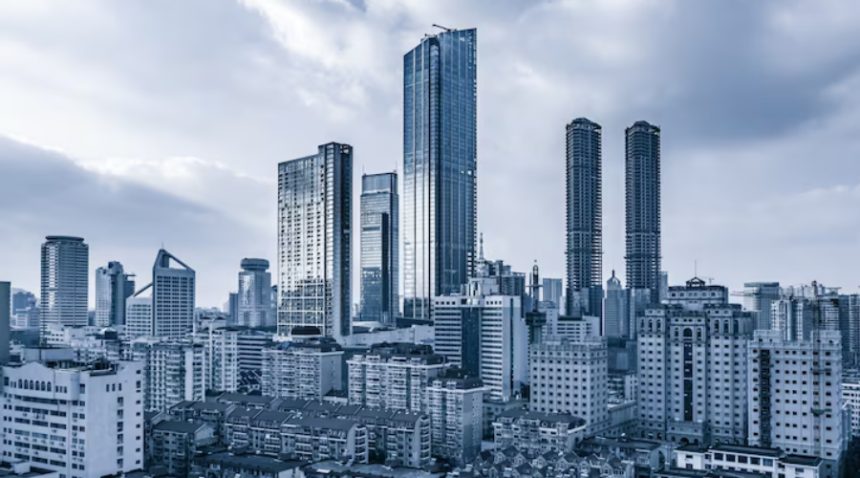
If you walk through the construction sites of Gurgaon or the Financial District in Hyderabad today, you’ll notice something different. The billboards aren’t promising “affordable 2BHKs” anymore. Instead, they’re selling “curated lifestyles, private elevators, and views” that cost more than the average person earns in a lifetime. By 2026, the story of Indian real estate has shifted from a basic need for shelter to a massive, industrial-scale investment in luxury.
Mumbai remains the heart of this narrative. It’s a city where geography is the enemy, surrounded by water, there is nowhere left to build but up. This physical limitation has turned the city into the most expensive concrete jungle in the country. Even as the Coastal Road opens up new connectivity, the prices in the old South and Central neighborhoods haven’t dropped; they’ve simply become the “entry fee” for the nation’s elite.
Further south, the story is about the “Silicon Valley” effect. In Bengaluru and Hyderabad, the rise of Global Capability Centers has created a new class of ultra-high-earners. These aren’t just techies; they are global executives who want their homes to reflect their corporate success. This has pushed Hyderabad from a relatively “budget” city a decade ago to a place where luxury high-rises now rival the most expensive zip codes in North India.
The Death of the Middle? Perhaps the most striking part of this shift is what is happening to the average buyer. With luxury homes now making up nearly 40% of all new projects, the middle-class buyer is being pushed to the periphery, cities like Pune and Ahmedabad. While these cities are still technically costly, they represent the last stand for those who want a home that doesn’t require a generational loan.
What we are seeing isn’t just a price hike; it’s a total remapping of urban India. As infrastructure like the Delhi-Mumbai Expressway and various new Metro lines complete, the boundaries of “prime real estate” are expanding. However, the price of admission is rising faster than the concrete. For the first time, India is seeing a market where the status of the address is starting to matter more than the utility of the house itself.